
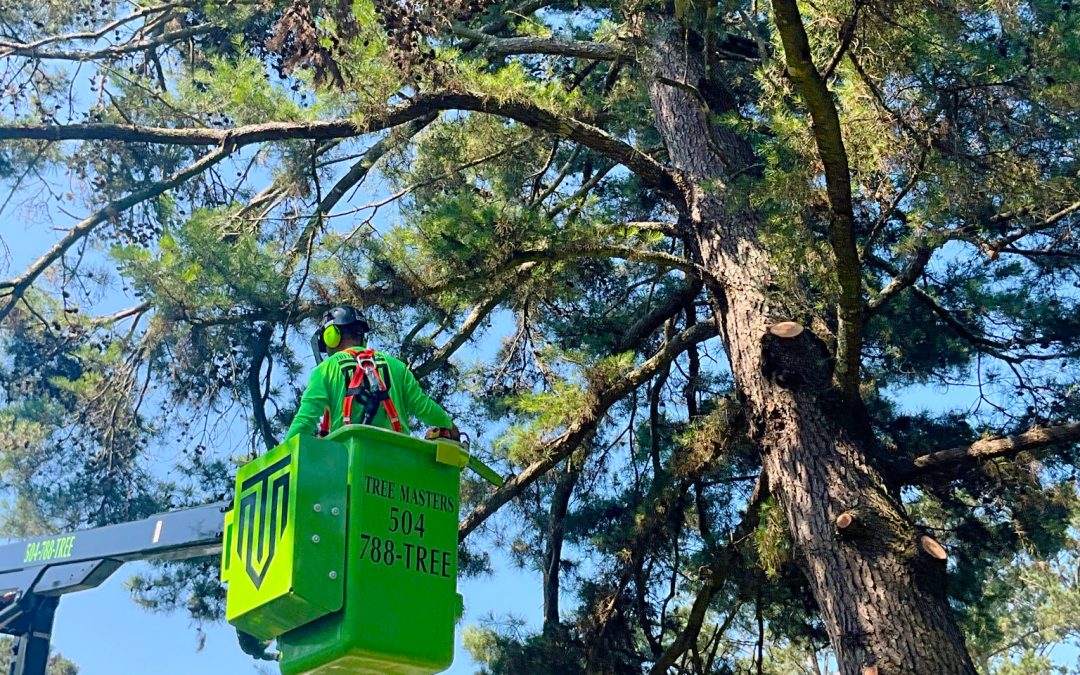
In general, the best time to trim most trees is during late winter or early spring, while they are still dormant. This timing reduces stress and helps prevent disease. For trees that flower in spring, prune them after blooming to avoid removing flower buds. Avoid pruning in late summer or early fall, as it can stimulate new growth that may not harden before winter, leading to damage.
Knowing the best time to trim trees can significantly impact your landscape’s health and safety. Properly timed pruning encourages strong growth, prevents disease, and enhances curb appeal. In this guide, we’ll cover seasonal trimming strategies, safety best practices, tree growth cycles, proper tools, species – specific advice, and when to call in a professional.
When to Trim Trees: Seasonal Breakdown
Every season presents unique risks and opportunities for pruning. Whether you’re dealing with woody shrubs or towering shade trees, here’s how to make seasonally smart pruning choices.
Late Winter (February – March)
Ideal for shade trees, fruit trees, and structural training. In most of the U.S., this is the best season for major pruning — especially in northern states like Minnesota, New York, or Ohio, where trees are in deep dormancy. In southern climates like Louisiana, Texas, or Florida, this season may arrive as early as late December or January.
- No leaves = better visibility.
- Sap isn’t flowing = less stress.
- Healing begins quickly as spring arrives.
- Encourages strong spring growth and flower/fruit production.
Spring (March – June)
Timing becomes more nuanced. In temperate zones like Tennessee, North Carolina, or Missouri, spring bloomers should be pruned after flowers fade. In warmer areas like Georgia or Southern California, some trees may bloom early, so it’s important to monitor local bud cycles before making cuts.
- Prune spring – blooming trees only after they finish flowering.
- Avoid major cuts during leaf – out or bud break.
- Never trim oak trees now — it’s peak oak wilt risk.
- Good time to assess winter damage and make light corrections.
Summer (June – August)
Summer is suitable for light shaping or cleanup. In Midwestern and Northeastern states, avoid pruning during extended heat waves. In arid regions like Arizona or Nevada, avoid major pruning during extreme drought or peak sun intensity.
- Great for light cleanup (deadwood, suckers, crossing limbs). Summer is an ideal time to selectively prune branches that interfere with structure or airflow. Pruning during this phase controls growth while reducing stress.
- Avoid cutting during high heat or drought.
- Perfect for controlling fast – growing branches.
- Summer is good for “bleeder” trees like maple trees and walnut trees.
Fall (September – November)
Fall is generally not ideal across most regions. In Pacific Northwest states like Oregon or Washington, high humidity can promote fungal infections. In the Midwest and Northeast, late fall cuts may not seal before winter frost. Emergency pruning only is recommended.
- Generally not recommended.
- Fungal infections are common.
- Healing is slow and unpredictable.
- New growth is vulnerable to frost.
- Only prune to remove dangerous or broken limbs.
When You Might Need Emergency Tree Care from a Tree Care Professional
While these seasonal guidelines support optimal growth and tree health, some situations can’t wait. Dead, damaged, or dangerous limbs should be pruned immediately — regardless of the time of year.
If a branch threatens your home, power lines, or pedestrian areas, prioritize safety first. Emergency pruning to remove hazards can and should happen at any time, especially after storms or during periods of rapid decline.
Need help fast? Call a certified arborist who can assess the risk and take action safely.
While seasons influence general pruning strategies, your local climate can shift that timing. See below for climate – specific trimming windows based on where you live in the U.S.
Tree Trimming Chart by Tree Type (with Seasonal and Regional Considerations)
Use this chart as a seasonal reference to supplement the species – specific trimming tips shared above. While pruning involves structural or corrective cuts, trimming focuses on managing size, shape, clearance, and visual balance. Timing still matters — these guidelines help ensure trimming supports tree health and appearance without causing unnecessary stress.
| Tree Type | Best Time to Trim | Acceptable Alternatives | Avoid Trimming During | Key Considerations |
|---|---|---|---|---|
| Deciduous Shade Trees | Late Winter / Early Spring | Summer (for light shaping | Fall; Spring leaf-out | Helps maintain canopy shape and clearance. Avoid excess removal during growth spurts. |
| Oak (Quercus) | Mid – Winter (Dormant Season) | — | March – October | Trim only in winter to avoid oak wilt; even light trimming can risk infection. |
| Maple, Birch, Walnut (Bleeders) | After full leaf – out in Summer | Mid – Winter (with caution) | Late Winter; Fall | Trimming in spring can cause sap bleeding; use clean, sharp tools. |
| Evergreen Conifers (Pine, Fir) | Late Winter / Early Spring | Summer (for deadwood only) | Fall | Avoid deep cuts into old wood. Use tip trimming or candle pinching. |
| Evergreen Broadleaf (Holly, etc.) | Late Winter / Early Spring | Summer (light shaping) | Late Fall | Avoid encouraging tender growth before winter cold sets in. |
| Spring-Flowering Trees & Shrubs (Old Wood) | After Bloom | — | Late Winter; Early Spring | Trim only after flowering to preserve next year’s buds. |
| Summer/Fall Bloomers | Late Winter / Early Spring | — | Late summer; Fall | Trim before new growth begins to support fuller blooms. |
| Fruit Trees (Apple, Pear, Plum) | Summer (light trimming only) | Late Winter for structural pruning | Fall | Use trimming for size control and to manage light penetration. |
Regional Tree Trimming Guide: Best Time to Trim Trees in U.S. Climate Zones
Your location plays a major role in determining the safest and most effective time to trim trees. While seasonal cues help, local climate patterns like frost, humidity, and drought can shift ideal timing by weeks or even months.
U.S. Climate-Based Trimming Guidance
Use these regional insights to time tree trimming for appearance, clearance, and overgrowth control—while avoiding stress periods or high disease risk.
Northeast & Midwest
Example States: NY, IL, OH, MI, PA, MN, ME, VT, NH, MA, RI, CT, NJ, WI, IA, IN
Trim in late winter to early spring.
Avoid trimming maple and other “bleeder” trees in early spring when sap flow is high.
Watch for local guidance regarding optimal windows to avoid spreading diseases like oak wilt and fire blight.
Southeast & Gulf Coast
Example States: LA, FL, GA, AL, MS, TX, SC, NC, TN, KY, AR, VA, WV, DE, MD
Trimming can begin as early as December during the dormant season.
Avoid trimming during peak humid months (typically summer) that raise the risk of fungal infections on fresh cuts.
Trim before the start of hurricane season (June 1st) to remove weak or damaged limbs and reduce potential for breakage in high winds.
Southwest & Desert
Example States: AZ, NM, NV, OK, Southern CA, West TX
The best trimming window is during the cooler, dormant months, generally October through February.
Avoid trimming during periods of extreme heat and drought (usually summer) to prevent stressing the tree.
If trimming exposes significant portions of limbs to intense sun, consider using shade paint or leaving some temporary smaller branches for protection.
West Coast & Pacific Northwest
Example States: WA, OR, Northern CA
Target dry periods during late winter (often February-March) for trimming, after the worst of the winter rains but before strong spring growth.
Avoid making large cuts during extended wet spells, common in fall and winter, to reduce the chance of fungal or bacterial diseases entering the fresh wounds.
Mountain West & Intermountain
Example States: CO, UT, ID, WY, MT
Due to colder temperatures and later springs, trimming often starts in early spring (March-April), typically after consistent snowmelt but before bud break.
Good visibility of tree structure during dormancy, often aided by snow cover receding, supports safe and effective shaping or thinning cuts.
Use these regional insights to time tree trimming for appearance, clearance, and overgrowth control — while avoiding stress periods or high disease risk.
- Northeast & Midwest:
Trim in late winter to early spring. Avoid trimming maple and other “bleeder” trees in early spring. Watch for oak wilt and fire blight windows. - Southeast & Gulf Coast:
Trimming can begin as early as December. Avoid humid months that raise fungal risk. Trim before hurricane season to reduce breakage potential. - Southwest & Desert Regions:
Best trimming window is October through February. Avoid peak heat and drought. Use shade paint if limbs are exposed by trimming. - West Coast & Pacific Northwest:
Target dry late – winter periods for trimming. Avoid extended wet spells to reduce fungal spread on fresh cuts. - Mountain West & Intermountain:
Trimming starts in early spring, after snowmelt. Good visibility during dormancy supports safe, effective shaping.
Why Tree Trimming is Important
Tree trimming is more than just cosmetic — it’s a crucial part of maintaining safe, attractive, and well-functioning landscapes. Proper and timely trimming keeps trees looking their best while also helping them coexist safely with nearby structures, walkways, and people.
Unlike trees in wild forests, landscape trees grow near homes, fences, sidewalks, and utilities — making regular trimming essential. Here’s why trimming matters:
- Safety: Overgrown or low – hanging limbs can block visibility, interfere with structures, or pose a falling hazard.
- Clearance: Trimming helps keep branches away from roofs, driveways, signage, and power lines.
- Curb Appeal: A neatly trimmed canopy enhances the tree’s shape and overall appearance.
- Light and Airflow: Reducing density improves sun exposure and airflow around the tree.
- Seasonal Maintenance: Trimming helps maintain sightlines and access, especially for walkways and roads.
Trimming is especially important for fast – growing ornamentals, shrubs, and small trees that need regular shaping to retain their form and function in designed landscapes.
Pruning vs Trimming – What Is the Difference Between Tree Trimming and Pruning?
When it comes to tree care, the terms pruning vs trimming are often used interchangeably — but they serve very different purposes. Understanding the difference between pruning and trimming helps you make better decisions to support tree health, safety, and curb appeal over time.
Tree Pruning vs Trimming: Purpose and Technique
The difference in tree pruning vs trimming starts with intent.
- Pruning is a precise technique that improves a tree’s structure and health. It involves removing dead, diseased, or hazardous limbs, improving airflow, and directing healthy growth.
- Trimming, by contrast, focuses on shaping trees for aesthetics and controlling size. It’s commonly done to prevent overgrowth, clear walkways, or maintain symmetry.
Think of tree trimming vs pruning as the difference between cosmetic grooming and structural surgery.
What Is the Difference Between Tree Trimming and Pruning?
Still wondering what is the difference between tree trimming and pruning? Use this quick reference:
| Criteria | Tree Pruning | Tree Trimming |
|---|---|---|
| Goal | Health, structure, safety | Appearance, size control |
| Focus | Dead/diseased branch removal, shape correction | Outer canopy shaping, visual neatness |
| Best Time | Dormancy (late winter) | Late winter to early summer, based on species |
| Tools Used | Pruners, saws, loppers (precise, structural cuts) | Shears, hedge trimmers (shaping tools) |
| Used For | Trees, fruit trees, large shrubs | Hedges, bushes, ornamental trees |
Trimming vs Pruning: Which Does Your Tree Need?
If your priority is to strengthen your tree, prevent disease, or avoid storm damage — tree pruning is your answer. But if you’re looking to shape the tree for aesthetics or manage growth near buildings or paths, tree trimming might be all you need.
In most cases, both are important. A healthy landscape benefits from regular tree trimming and pruning, timed to match the species and local climate.
Is Pruning the Same as Trimming?
No — pruning is not the same as trimming, even though they’re often confused. The pruning vs trimming tree distinction comes down to biology vs appearance.
- Pruning influences how a tree grows and heals.
- Trimming impacts how it looks and interacts with nearby spaces.
Tree Trimming vs Tree Pruning: Final Thoughts
Knowing the difference between trimming and pruning is essential for smart tree care. While tree trimming vs pruning might seem like a small difference, using the right method at the right time makes a big impact.
Whether you’re managing a row of hedges or preparing for seasonal tree trimming and pruning, always consider the tree’s age, condition, and environment.
When in doubt, consult a certified arborist — especially for larger trees or those near power lines or structures. It’s the best way to protect both your trees and your property.
Tree Growth Cycles and Why Timing Is Key
Understanding a tree’s growth cycle is crucial to making effective cuts. Trimming at the wrong time may cause sap loss, root damage, or impair the tree’s ability to heal.
Tree Energy Cycle
- Dormant (Late Winter): The most appropriate and optimal time for pruning many kinds of trees. During dormancy, trees are less stressed and have high healing potential.
- Early Spring: Trees push out new leaves and buds. Pruning now removes energy reserves.
- Summer: Growth slows and stabilizes — good time for selective shaping.
- Fall: Poor timing. Infections are common, and growth is shutting down.
Pruning during dormancy (typically late winter) often provides the best balance of benefits: good visibility of the branch structure, minimal stress on the tree, rapid wound closure when spring growth begins, and reduced disease risk.
How to Trim Trees Based on Their Type
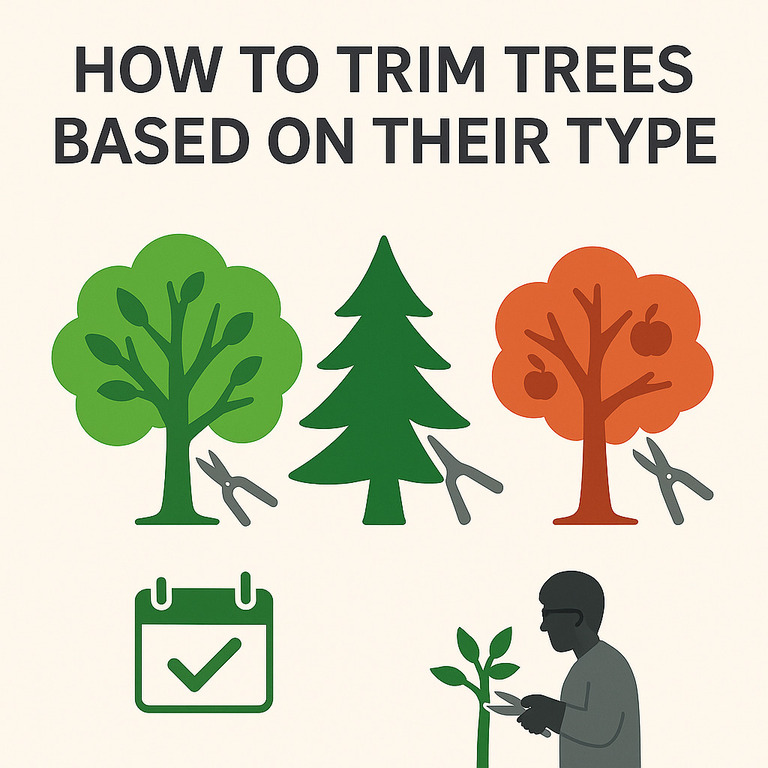
Not all trees respond the same to trimming. Understanding your tree type — from deciduous shade trees to evergreens and fruiting varieties — helps you make thoughtful cuts that support healthy appearance and manage overgrowth.
Deciduous Trees (Maple, Elm, Ash, Oak)
- Best trimmed in late winter or early summer to manage size and shape.
- Avoid trimming oaks between March and October due to oak wilt risk.
- For “bleeder” trees like maple and birch, trim after full leaf – out to avoid sap flow.
Evergreens (Pine, Fir, Arborvitae)
- Light trimming is best in late winter to early spring before new growth.
- Avoid cutting into old wood — many evergreens won’t regrow from deep cuts.
- Pines can be trimmed by shortening new “candles” in early summer.
Flowering Trees & Shrubs
- Spring bloomers (e.g., lilac, dogwood): Trim after flowering to maintain shape.
- Summer bloomers (e.g., crape myrtle): Trim in late winter for fuller flowering.
- Avoid trimming during bud formation to preserve blooms.
Fruit Trees (Apple, Pear, Peach, Plum)
- Light trimming can be done in summer to manage shape and reduce overgrowth.
- Avoid trimming just before or during flowering, as it may reduce fruit production.
Safety-First Tree Trimming: When Professional Tree Care is Needed
When tree limbs threaten your property, people, or utility access, timely removal becomes urgent.
Hazardous Conditions Requiring Prompt Attention
- Dying branches injured by storms or age can become hazardous. Municipal safety inspectors recommend that homeowners property remove dead branches to protect pedestrians, reduce liability, and preserve nearby infrastructure. For young trees, early intervention prevents instability and supports proper form development.
- It’s critical to properly remove dead branches to reduce risk to persons and nearby property.
- Storm – damaged limbs hanging precariously
- Branches interfering with utility lines
- Branches blocking visibility at traffic signals or intersections should be pruned. New growth shrubs near pedestrian crossings or signage should be pruned regularly to maintain clear sightlines. Urban planners recommend seasonal trimming schedules to prevent visual obstructions and reduce accidents.
- Diseased branches showing signs of contagious pathogens
Common Tree Trimming Mistakes to Avoid
Even routine trimming, if done incorrectly, can damage a tree’s structure, weaken its defense systems, or increase long – term maintenance needs. Use the visual guide below to quickly identify the top six errors — and check the list that follows to understand why each one matters.

Quick Breakdown of Each Mistake:
- Stub Cuts
Leaving branch stubs behind invites decay and pests, as the tissue cannot properly seal.
- Flush Cuts
Removes the protective branch collar, slowing wound closure and increasing infection risk.
- Over-Pruning
Removing too much foliage stresses the tree and can trigger weak sprouting.
- Wrong Timing
Increases susceptibility to diseases like oak wilt or fire blight when cuts are made out of season.
- Dull Tools
Create ragged wounds, increasing the risk of bark tear and infection.
Understanding the Biological Impact of Improper Tree Trimming
While trimming focuses on appearance and size control, improper technique can lead to wounds that trees struggle to seal — especially when large limbs are removed or cuts are made without regard to branch collar placement. See below for common trimming mistakes and their long-term effects on tree health.
| Mistake | Description | Why it’s Harmful (Biological/Structural Impact) | Potential Long-Term Consequences |
|---|---|---|---|
| Topping | Indiscriminate cutting of branches/trunk to stubs at a set height. | Removes excessive foliage (starvation); creates large wounds that don’t seal; stimulates weak, poorly attached sprouts; destroys natural structure. | Increased decay, disease, pest susceptibility; high risk of branch/sprout failure; structural instability; eventual tree death; increased future maintenance costs. |
| Flush Cut | Cutting too close to the trunk/parent stem, removing the branch collar. | Removes the tree’s natural defense zone (Wall 4 initiation); prevents proper wound compartmentalization. | Decay spreads into the trunk/parent stem; structural weakening over time; potential for hidden internal decay. |
| Stub Cut | Leaving a portion of the branch protruding beyond the branch collar. | Tree cannot seal over the dead stub tissue; delays wound closure. | Stub provides entry point for decay and pests, which can then move into the main stem. |
| Over-Pruning | Removing too much live foliage (>25% general rule) at one time. | Reduces energy p |